Architecture Built to Last – A Conversation with Axel Robach on the Future of Swimming Facilities
Designing swimming facilities is a delicate balance between technology, aesthetics, and long-term durability.
Designing swimming facilities is a delicate balance between technology, aesthetics, and long-term durability. For Axel Robach, architect at Arnco, it’s about creating environments where people feel comfortable – and where materials can withstand both time and humidity. In an interview with SAPA by Hydro, he shares his thoughts on sustainable material choices, light, energy, and the swimming facilities of the future.
Materials that Inspire Pride and Durability
“We’re passionate about design and spend a lot of time thinking about how a building and its materials can stand the test of time,” says Axel Robach. For him, it’s not only about the technical properties of the materials, but also how they are perceived by the people who use the building. “When materials feel well-considered and of high quality, both visitors and staff develop a sense of respect for the space. A sterile, uncomfortable environment, on the other hand, invites wear and damage,” he explains.
At the same time, there are strict technical demands for robustness. Swimming facilities face high humidity and aggressive chlorine exposure – a challenge for all building materials.– Corrosion resistance is absolutely critical. We need to design carefully and think through every joint and detail,” Axel emphasizes.
Windows, Façades, and the Fight Against Moisture
When it comes to window and façade systems, Axel highlights several aspects that must work together: aesthetics, tightness, energy efficiency, and material durability.
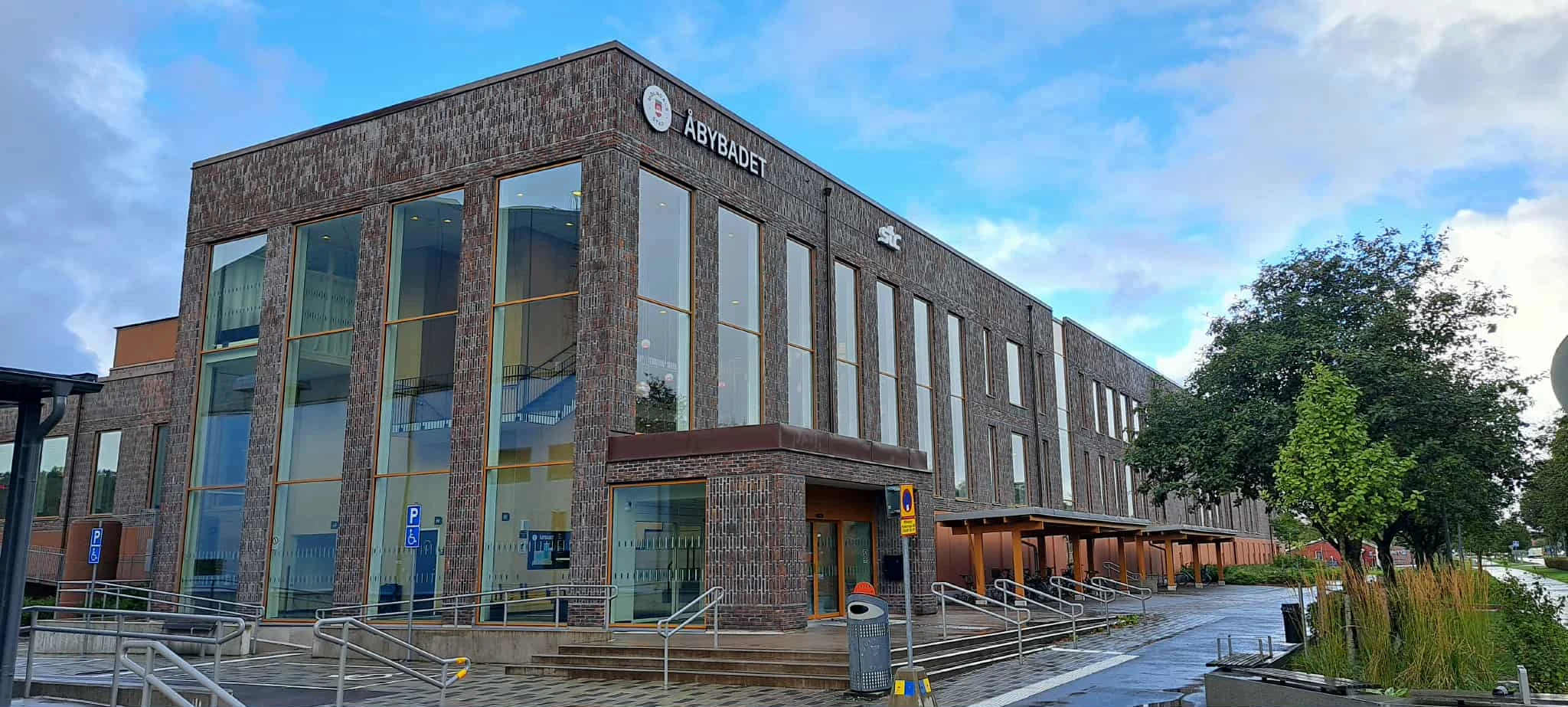
“In swimming halls, generous natural light is key to creating a pleasant atmosphere. I remember swimming at sunrise in Larslunda Swimming Hall in Strängnäs – it was magical to see the sky through those large glass panels,” he recalls.
– “Sometimes solar shading covers much of the glass surfaces. Contractors have suggested removing the glass altogether – but they quickly realize it doesn’t save money, just adds more wall to build,” he says with a smile.
Environment, Life Cycle, and Circular Systems
Designing a swimming facility isn’t only about aesthetics and function – it’s also about climate impact. – “For us, it’s obvious that every project must be resource-efficient,” says Axel. “That means minimizing energy losses, for example through the outer walls, and using certification systems as a guide. Green loans can also encourage reuse and recycled materials.”
He strongly believes in circular building systems, where materials can be dismantled, reused, and recycled. – “Ideally, it’s a win-win between economy and sustainability. Soon we’ll see even smarter AI tools that can match dismantled building components with new needs,” he predicts.

Aluminium and a Sustainable Life Cycle
The conversation turns to aluminium – a material naturally resistant to corrosion and endlessly recyclable. – “When I was growing up, aluminium was seen as energy-intensive. Now, its positive qualities are emphasized instead. The same aluminium used in soda cans and façade systems can be recycled over and over again. We don’t want to work with finite materials that eventually end up in landfills,” says Axel.
Function and Aesthetics Hand in Hand
Arnco works exclusively with complex projects where aesthetics, function, and economics are interwoven. – “The art lies in evaluating and implementing the best solutions within the given conditions,” says Axel. He describes a project where the placement of solar panels determined the roof angle and building shape – a great example of how technology and architecture can work together. – “We also use a lot of ceramic materials. They’re durable, easy to clean, and beautiful at the same time,” he adds.
Robust but Not Sterile
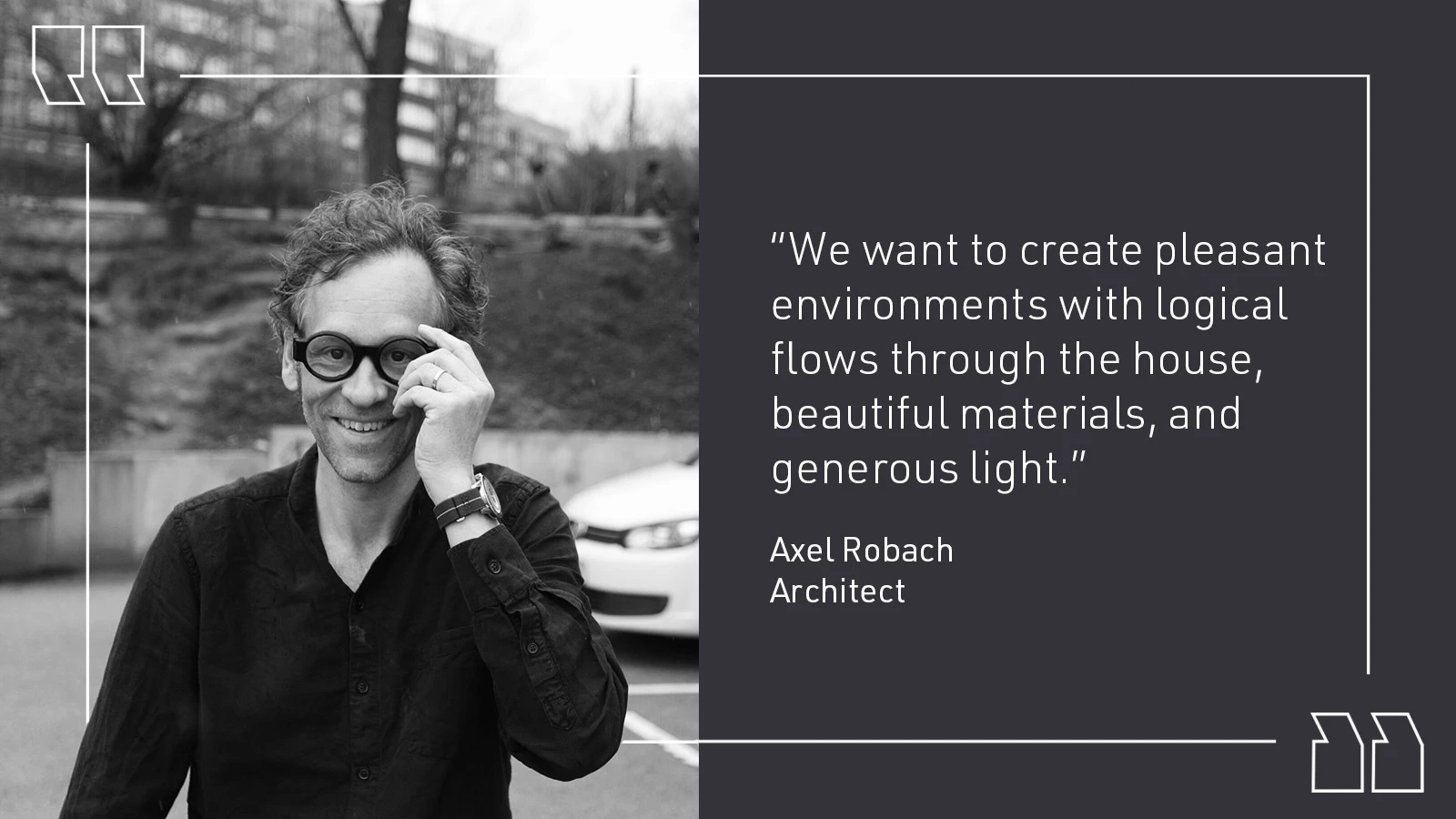
The challenge in every swimming facility project is to combine robustness with warmth and a human touch. – “We want to create inviting environments with logical movement through the building, beautiful materials, and generous light. It shouldn’t feel cold or sterile, but rather robust and safe – almost like retreating into a protective cave,” Axel says poetically.
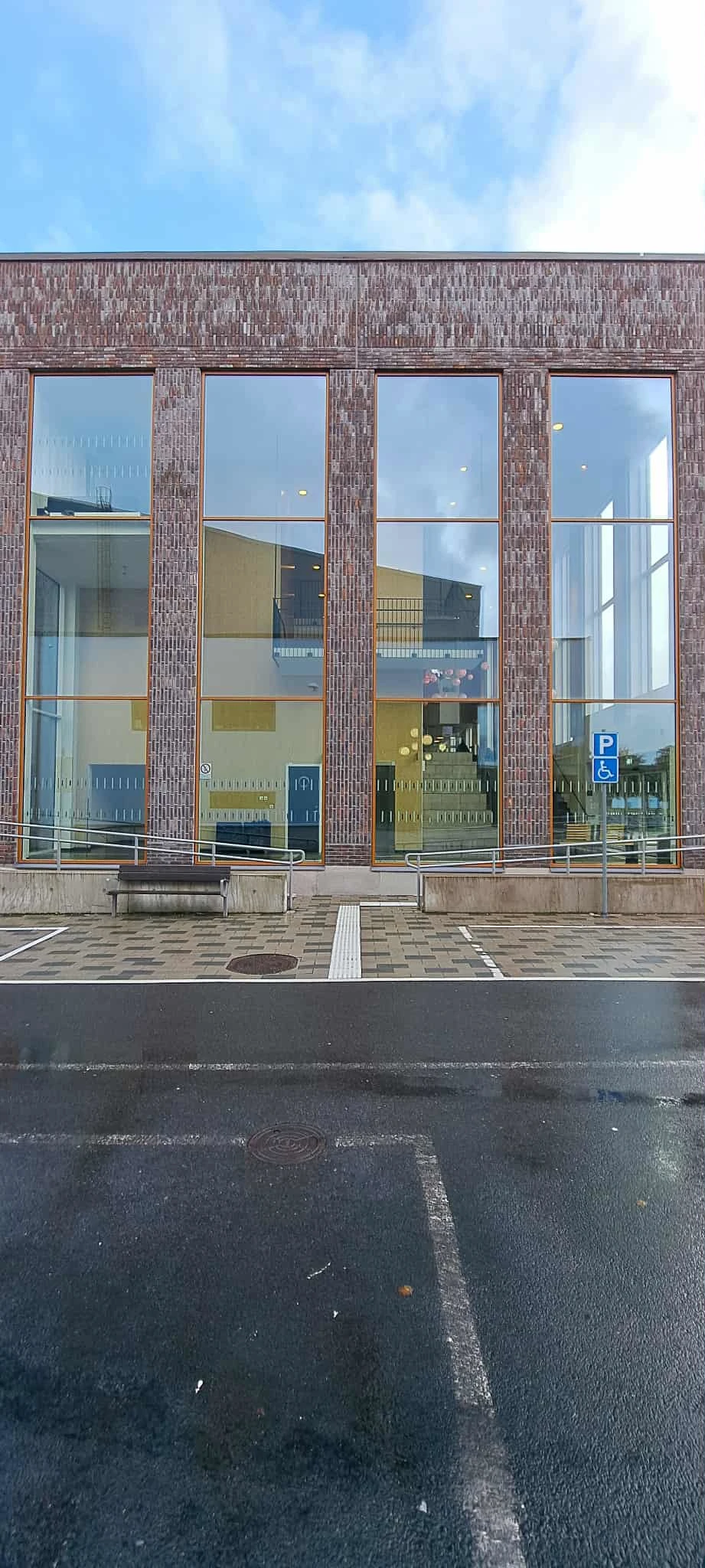
The Swimming Facilities of the Future – Lighter, Smarter, More Sustainable
Looking ahead, Axel sees great potential in new building systems and materials. – “We’re actively trying to reduce the use of concrete in swimming facilities. I’m hopeful about sustainable alternatives for pools and exterior walls. At the same time, there’s potential in integrating solar cells into façades and roofs – though that development is moving a bit slowly,” he notes.
SAPA by Hydro and Arnco share the same vision: to create buildings that are not only beautiful but also sustainable, long-lasting, and people-oriented. A swimming facility should, just like the materials it’s made of, stand strong over time – and invite experiences that both inspire and endure.
Want to know more?
You may also be interested in